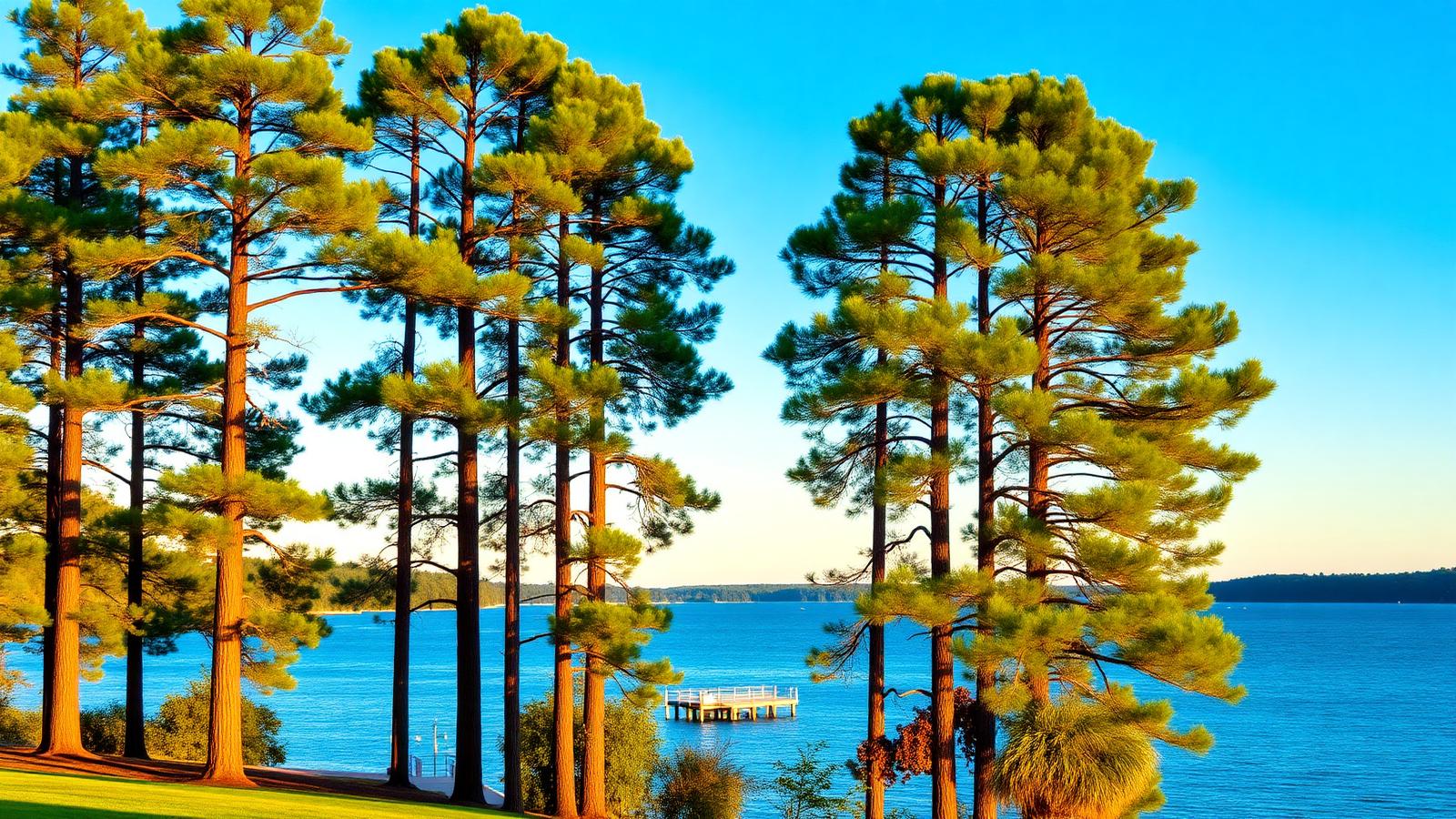
Lake Norman Tree Care: What Waterfront Homeowners Need to Know
Lake Norman properties come with unique tree challenges — wind exposure, shoreline erosion, and towering pines leaning toward docks and homes. Here's how we approach tree care across the lake, from Cornelius to Denver to Mooresville.
Lake Norman is the largest man-made lake in North Carolina, with more than 520 miles of shoreline stretching across Mecklenburg, Iredell, Catawba, and Lincoln counties. From The Peninsula in Cornelius to the coves of Denver, from the older neighborhoods of Davidson to the newer waterfront builds in Mooresville and Sherrills Ford, we work on Lake Norman properties nearly every week. It's one of the most beautiful — and most demanding — service areas we cover.
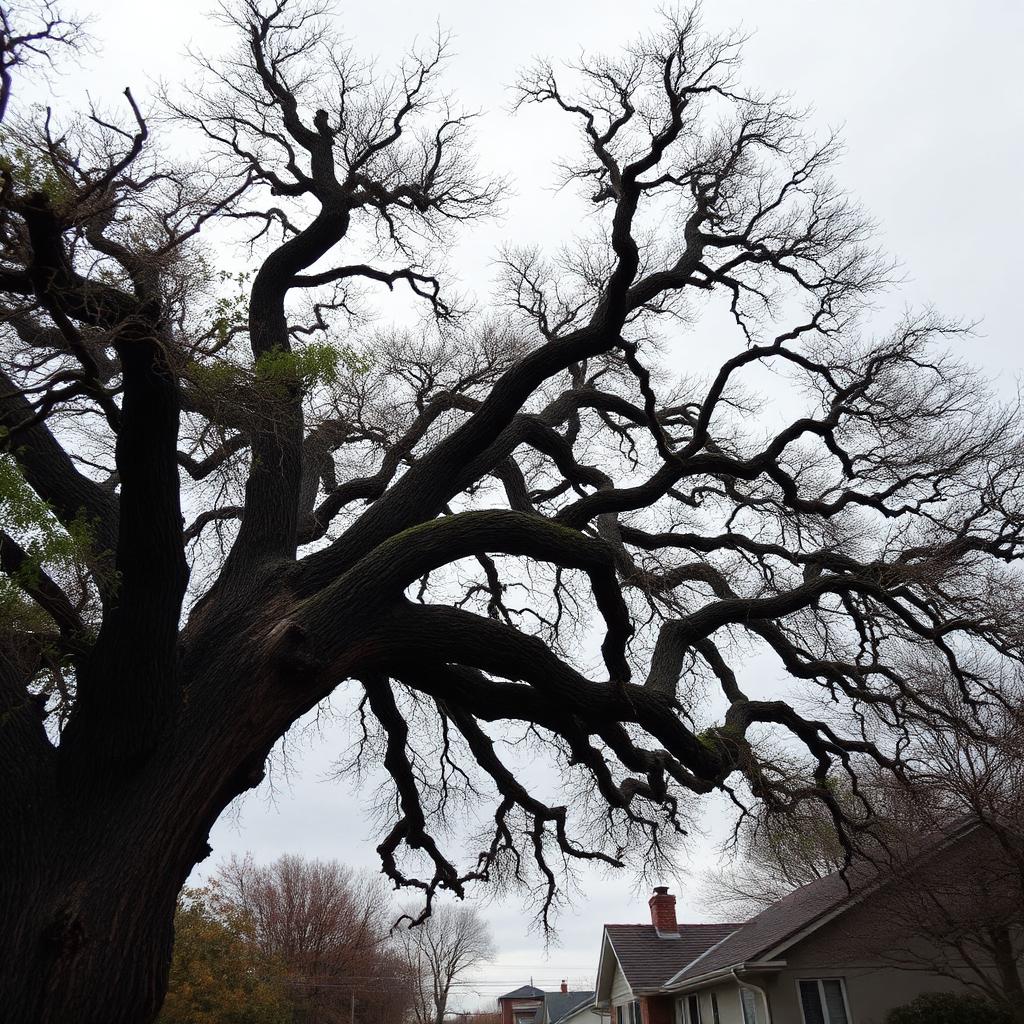
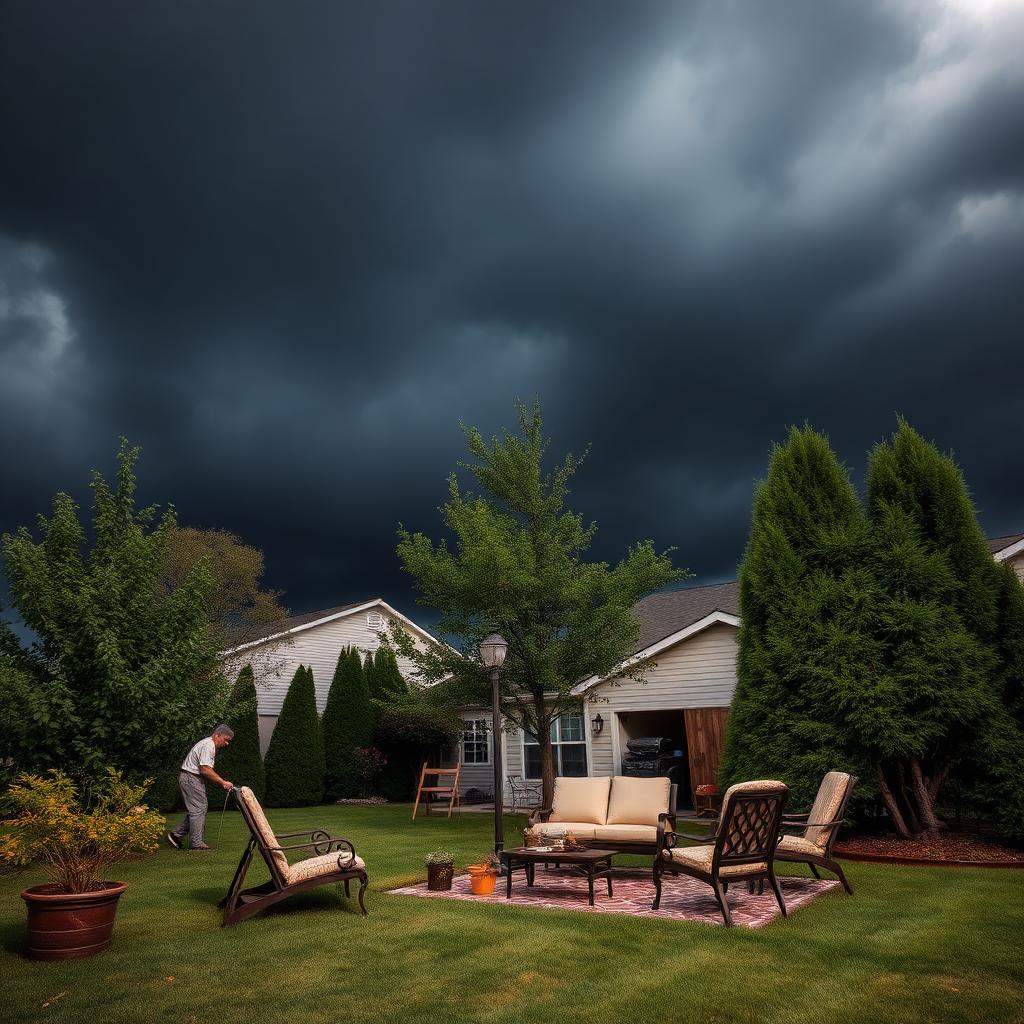
Wind exposure changes everything. Open water means uninterrupted wind. A tree that would stand comfortably 500 feet inland can be under constant stress on a lakefront lot. Loblolly pines, tulip poplars, and water oaks are especially vulnerable — they grow tall and straight, catch a lot of sail, and often fail at the root plate rather than snapping in the trunk. We inspect for lean, soil heaving, and root exposure on every waterfront visit.
Shoreline erosion undermines root systems. The Duke Energy shoreline management rules limit what you can do at the water's edge, but erosion is real, and trees along the bank often lose the soil that anchors them. We frequently find mature hardwoods with half their root flare exposed — a slow-motion failure waiting for the next storm. Early identification lets us prune to reduce weight, cable weak unions, or remove the tree on our schedule instead of during a 2 a.m. thunderstorm.
Crane work is often the safest option. Many Lake Norman lots are steep, narrow, and packed with docks, boathouses, seawalls, boat lifts, screened porches, and expensive landscaping. There's rarely a clean drop zone. We work with certified crane operators to lift big pines and hardwoods out in controlled sections — over the house, over the dock, into a truck at the top of the driveway. It costs more than a straight fell, but on a lakefront lot it's usually the only responsible way to work.
Pines dominate — and they fail predictably. Loblolly and shortleaf pines make up a huge share of the Lake Norman canopy. They grow fast, tower over rooflines within 30 years, and are the number-one storm-failure tree in the region. If you have pines within striking distance of your home, dock, or boathouse, we recommend a hazard assessment every 2–3 years and preventative removal of any tree with visible decay, lean toward a target, or a compromised root plate.
Hardwoods deserve preservation. Not every tree is a liability. Mature white oaks, red oaks, and hickories are the crown jewels of many lake lots and can live another 50–100 years with good care. Structural pruning while the tree is young, deadwood removal, and cabling of weak co-dominant leaders can keep a legacy tree standing safely for generations.
Access is half the job. Long private driveways, gated communities like The Point and The Peninsula, HOA rules about work hours, and neighbors just feet away all shape how we plan a Lake Norman job. We handle the coordination — HOA approvals, tree-preservation ordinances, dock and shoreline considerations — so the day of the work is uneventful.
Communities we serve around Lake Norman: Cornelius, Davidson, Huntersville, Mooresville, Denver, Sherrills Ford, Terrell, Troutman, and the surrounding waterfront neighborhoods including The Peninsula, The Point, Trump National, Skybrook, Birkdale, Robbins Park, and the coves along Highway 16 and Highway 150.
If you own on Lake Norman and it's been a few years since anyone with real climbing and rigging experience walked your property, it's worth a visit. Give us a call and we'll come out, look everything over, and give you a straight answer about what needs attention now and what can wait.