Choosing the Right Tree for Your Property
The best tree to plant depends on your soil, your sunlight, your space — and how you want the yard to look in 20 years.
A tree is a 30-year commitment. Get the wrong one and you'll spend the next three decades pruning it away from your house, cleaning up its mess, or paying to have it removed. Get the right one and it'll add value to your property and shade to your yard for generations.
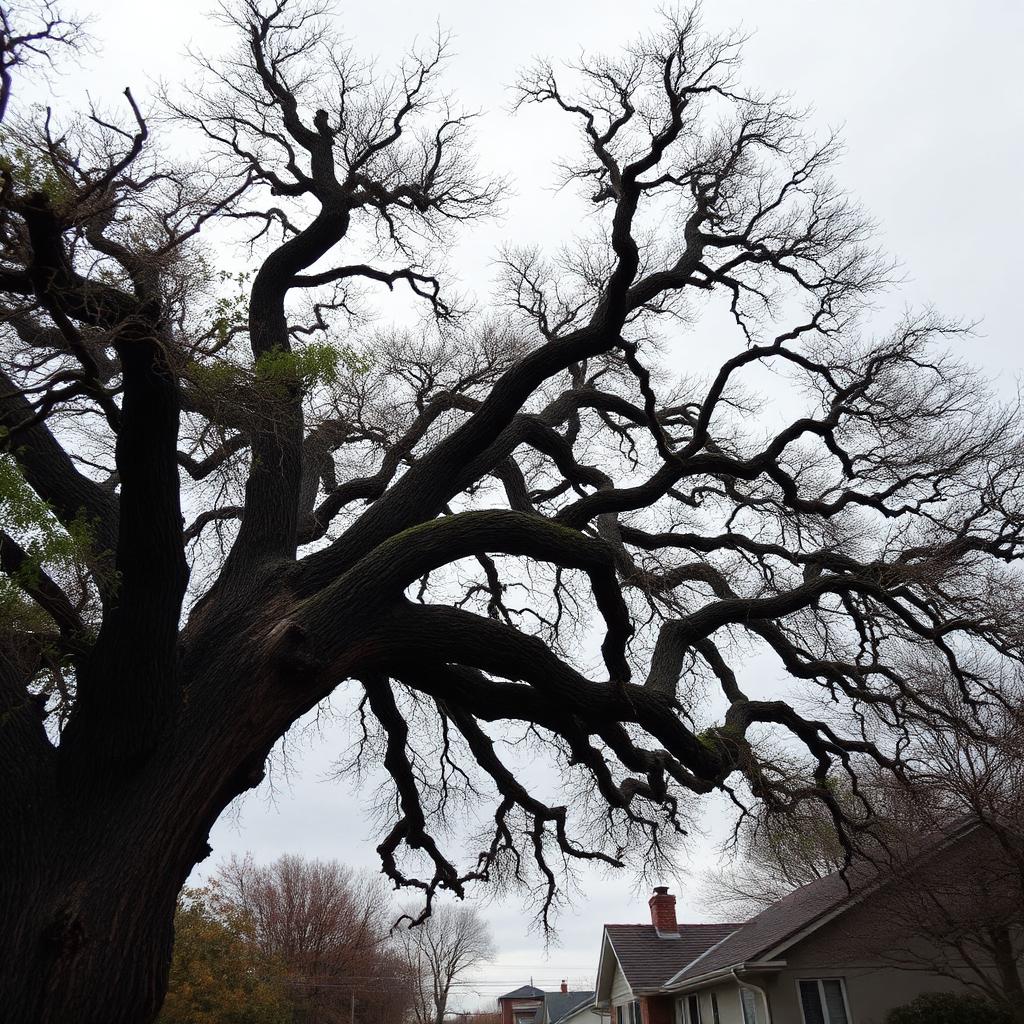
Start with the space. Look up before you dig. Are there power lines overhead? A house? A driveway? Full-size shade trees like willow oak, sugar maple, and tulip poplar need 40+ feet of horizontal clearance and no wires above. Small ornamentals like dogwoods, redbuds, and Japanese maples fit in tight spots.
Match the tree to your sunlight. Most shade trees need at least 6 hours of direct sun. Understory trees like dogwood and redbud actually prefer partial shade and often struggle in full afternoon sun.
Native species almost always win. Native trees are adapted to Carolina heat, humidity, clay soil, and local pest pressure. They require less water once established, resist disease better, and support local wildlife. Some of our favorites for this region: willow oak, red maple, river birch, southern magnolia, black gum, and eastern redbud.
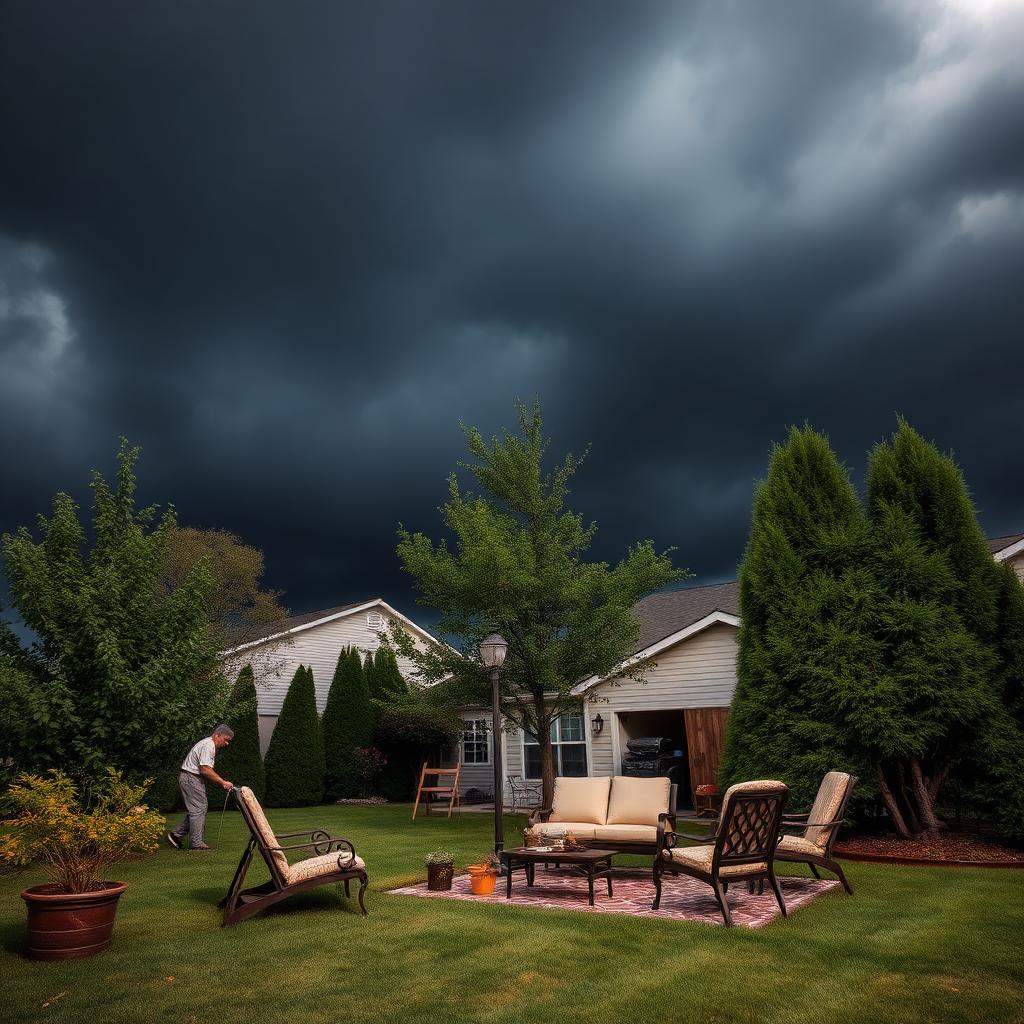
Avoid the problem trees. Bradford pears split apart in storms. Silver maples have brittle wood and invasive roots that wreck sidewalks and septic lines. Leyland cypress grow fast but decline fast — you'll be removing them in 15 years. Do yourself a favor and skip these.
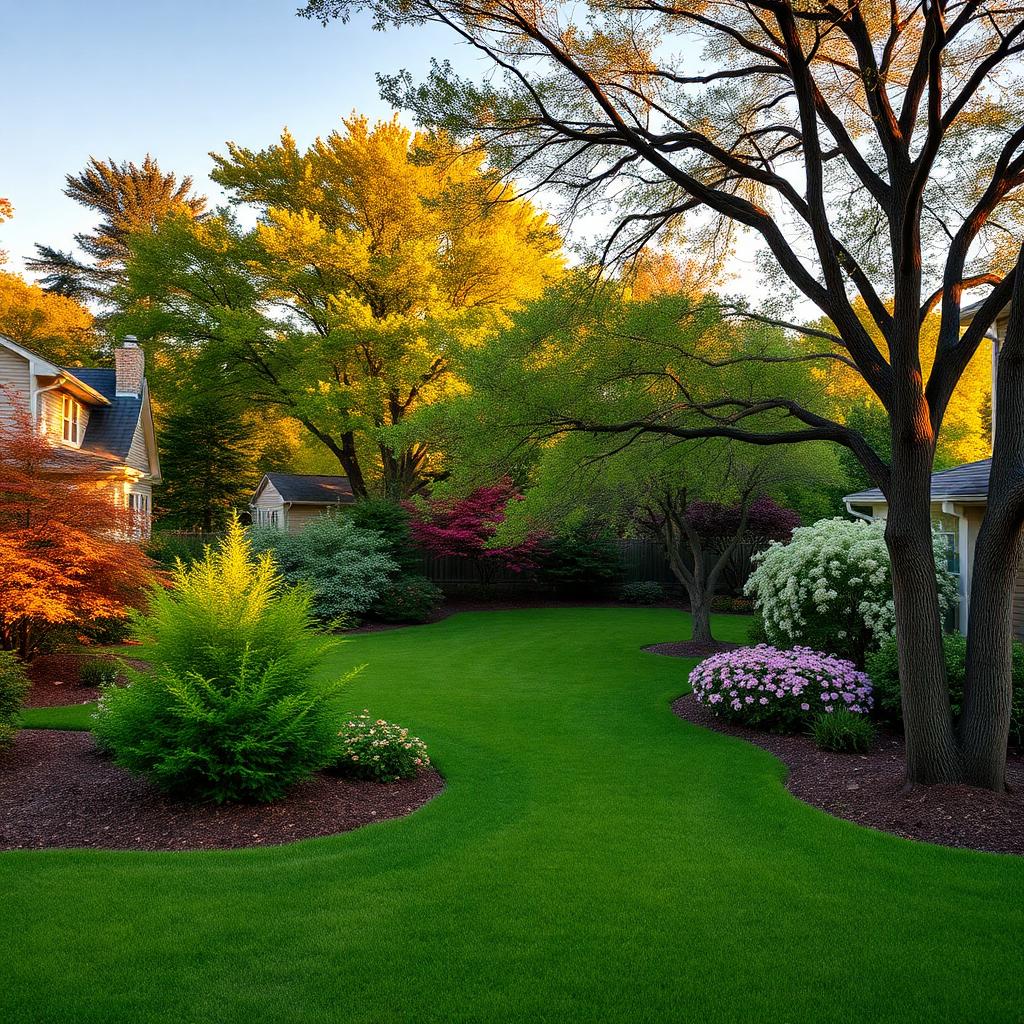
Think about what you want the tree to do. Shade the west side of the house in summer? Screen a neighbor? Provide fall color? Flower in spring? The best tree for a specific spot depends on the job you want it to do.
We're happy to walk your property with you and recommend species that fit your goals, your site, and your budget. Get in touch to schedule a consultation.